

The ‘Protect Ancient Christians’ campaign highlights a new Israeli settlement authorized near Bethlehem that threatens the future of Beit Sahour, the ‘village of the shepherds’. This vibrant community of 11,000 Christians lives on the biblically significant site where the Angel Gabriel announced the birth of Christ.
The settlement poses a double threat: the likely sequestration of adjacent land by authorities and the rising danger of violent settler attacks. Residents fear these pressures will make life untenable, forcing a mass exodus.
If these communities are driven out, the living history and spirit of the Christian faith in the Holy Land may be lost forever.
“And there were shepherds living out in the fields nearby, keeping watch over their flocks at night. An angel of the Lord appeared to them, and the glory of the Lord shone around them, and they were terrified.”
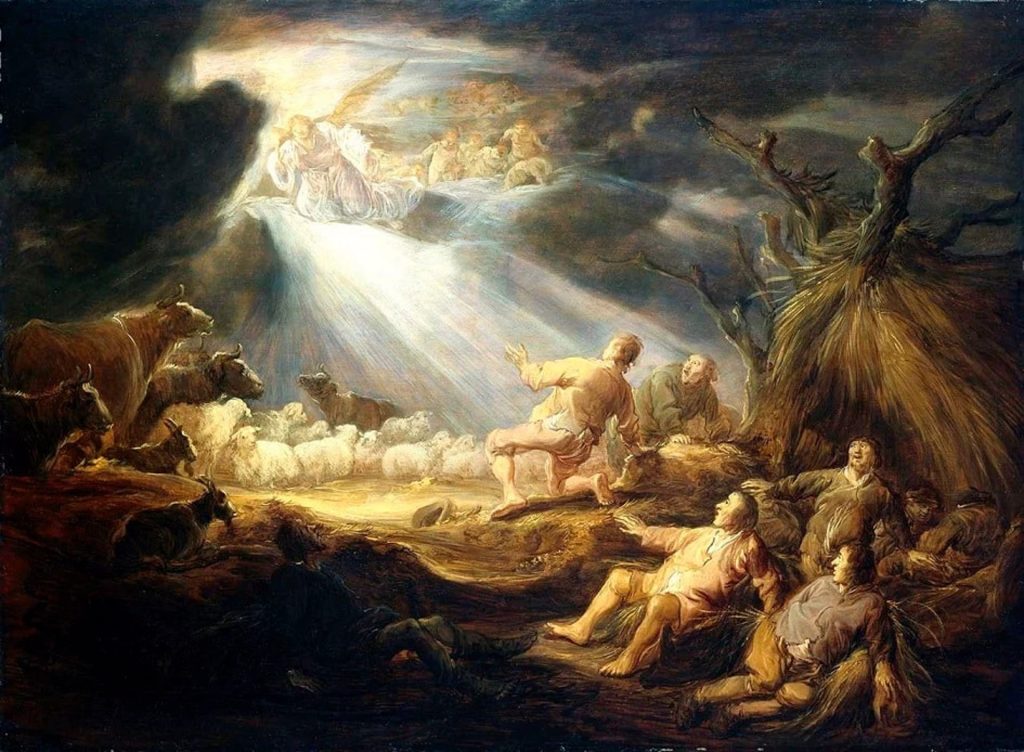
Situated beside the town of Bethlehem, Beit Sahour is home to one of the largest and most significant Christian communities in the West Bank. 11,000 Christians are surrounded by nine churches, four monasteries and an ancient underground cave church built by St. Helena, mother of Emperor Constantine, in the 4th century AD.
The church denominations are Greek Orthodox, Greek Catholic, Latin Patriarchate, and Lutheran. The Catholic and Greek Orthodox churches were built on the very spot the Angel Gabriel visited the shepherds by night.
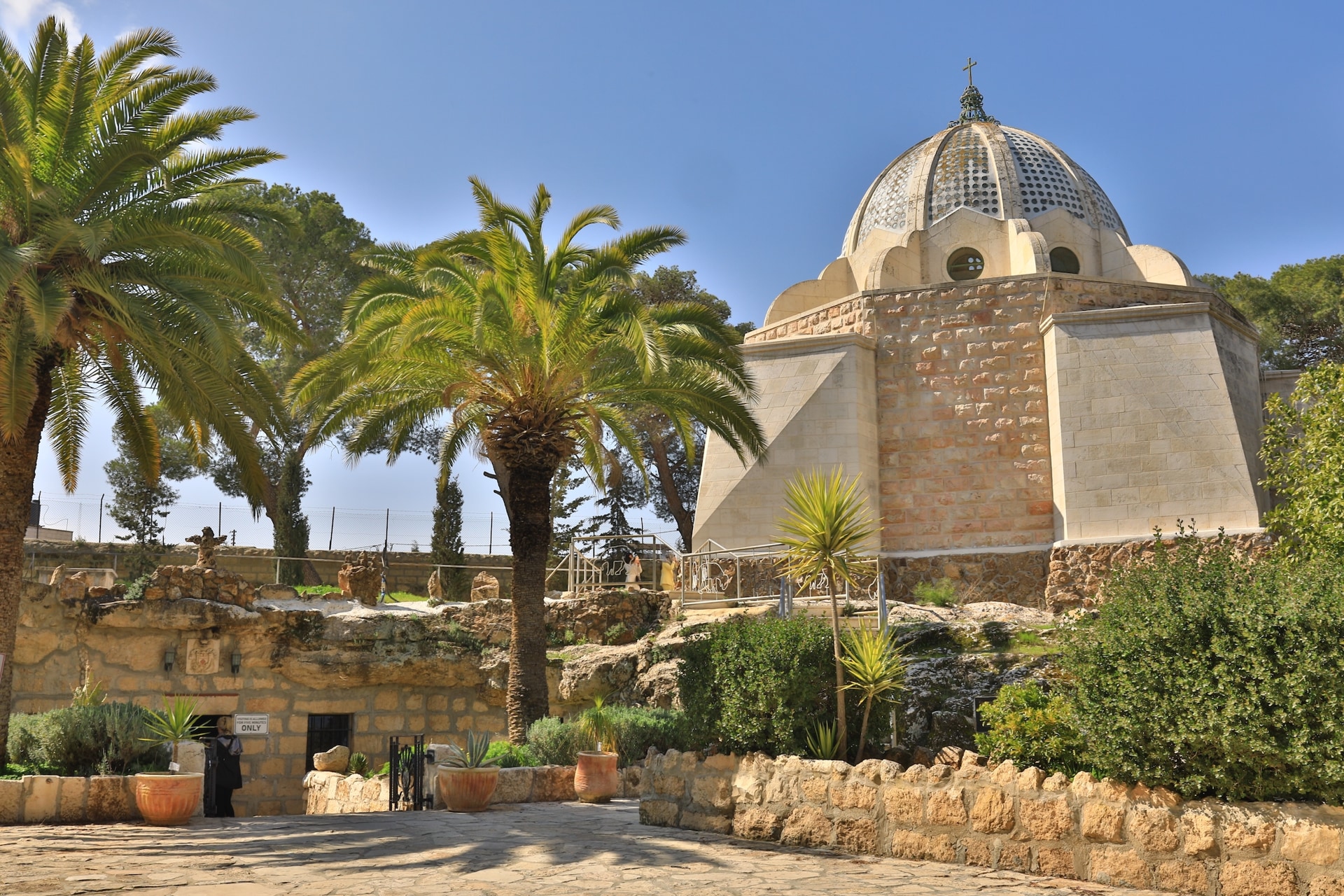
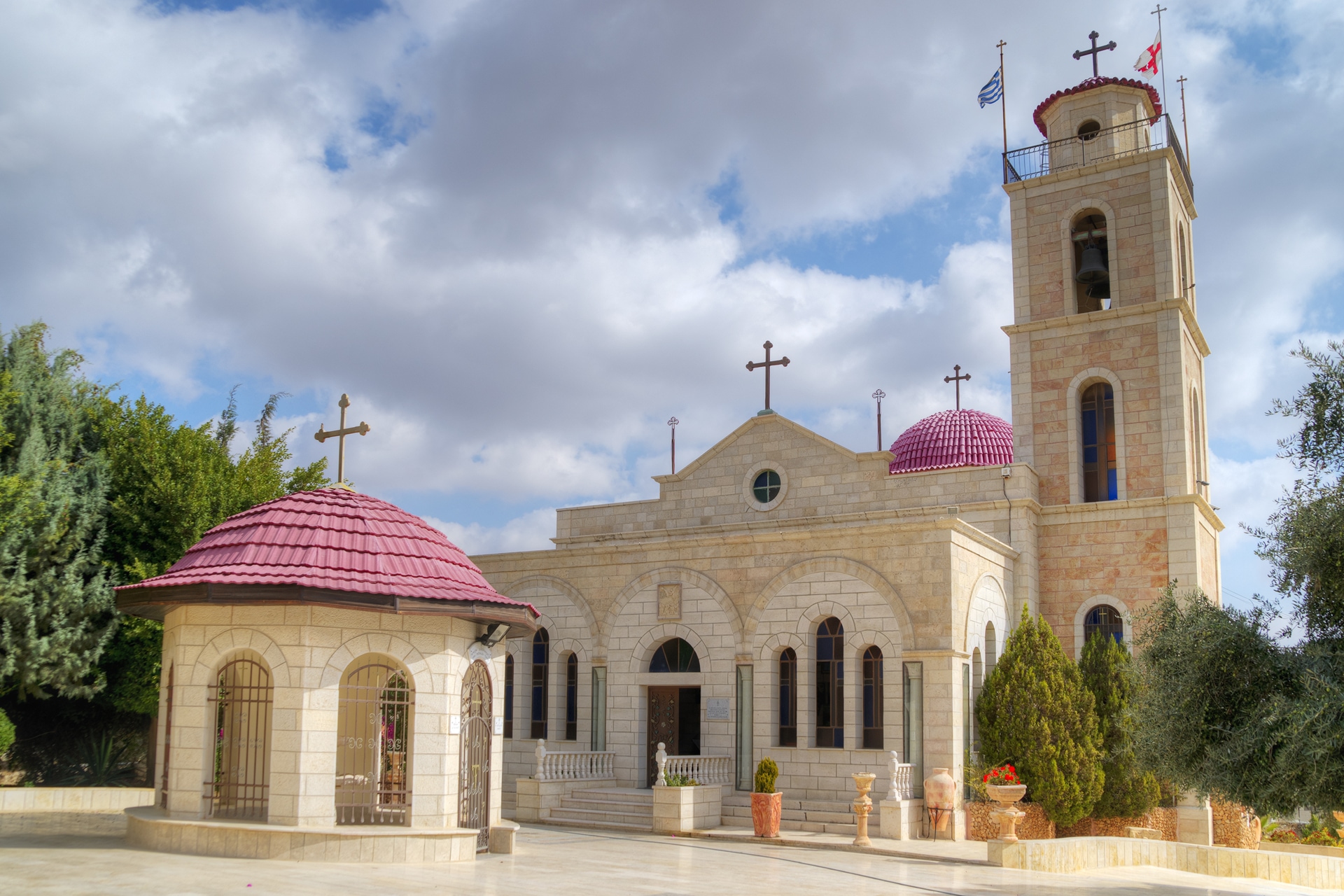
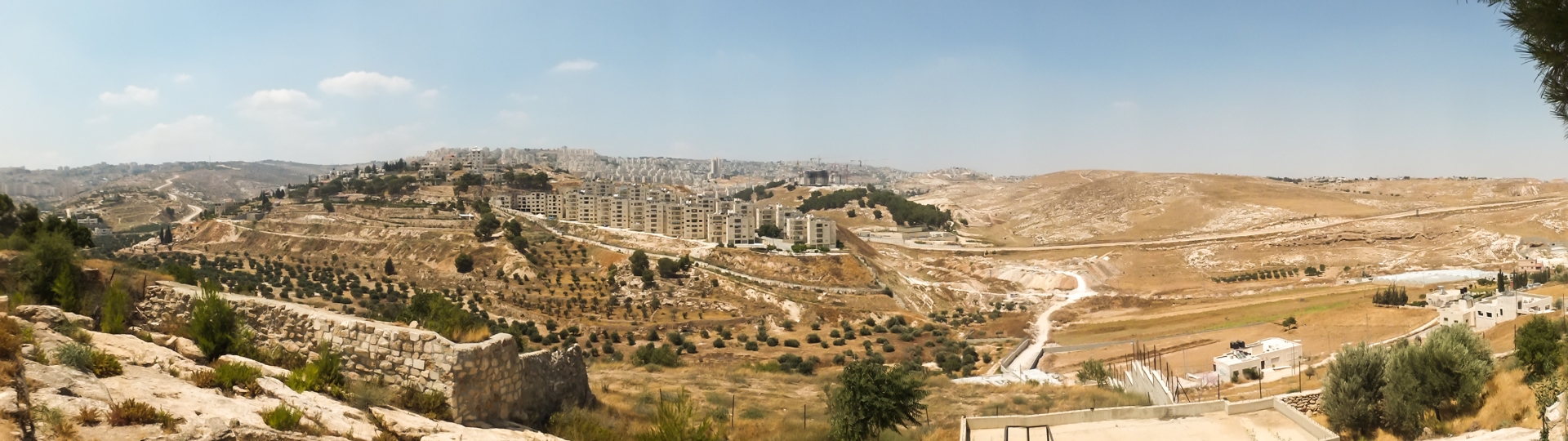
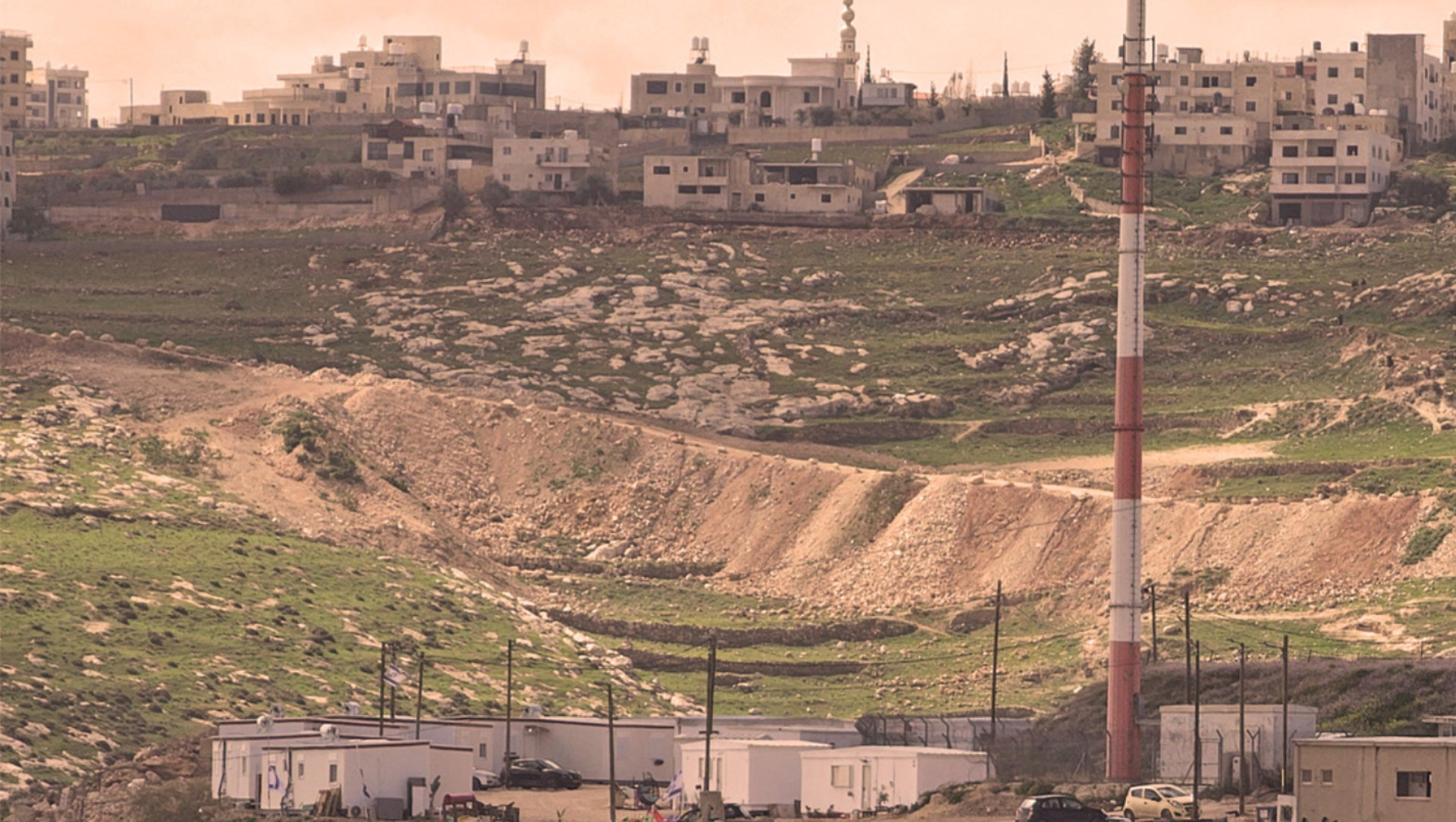
Last November settlers arrived on Shepherds Field in caravans. One month later permission was granted for a settlement named ‘Yatziv’, a Hebrew word meaning stable, firm and secure. By contrast, this settlement foreshadows insecurity, harm and danger for the Christians of Beit Sahour.
Every day, videos of settlers attacking families, cars, crops and buildings populate social media. Settler attacks rose in 2025 to five per day. In January gun licenses were granted to the new settlements. This is particularly frightening as settlers have immunity from prosecution.
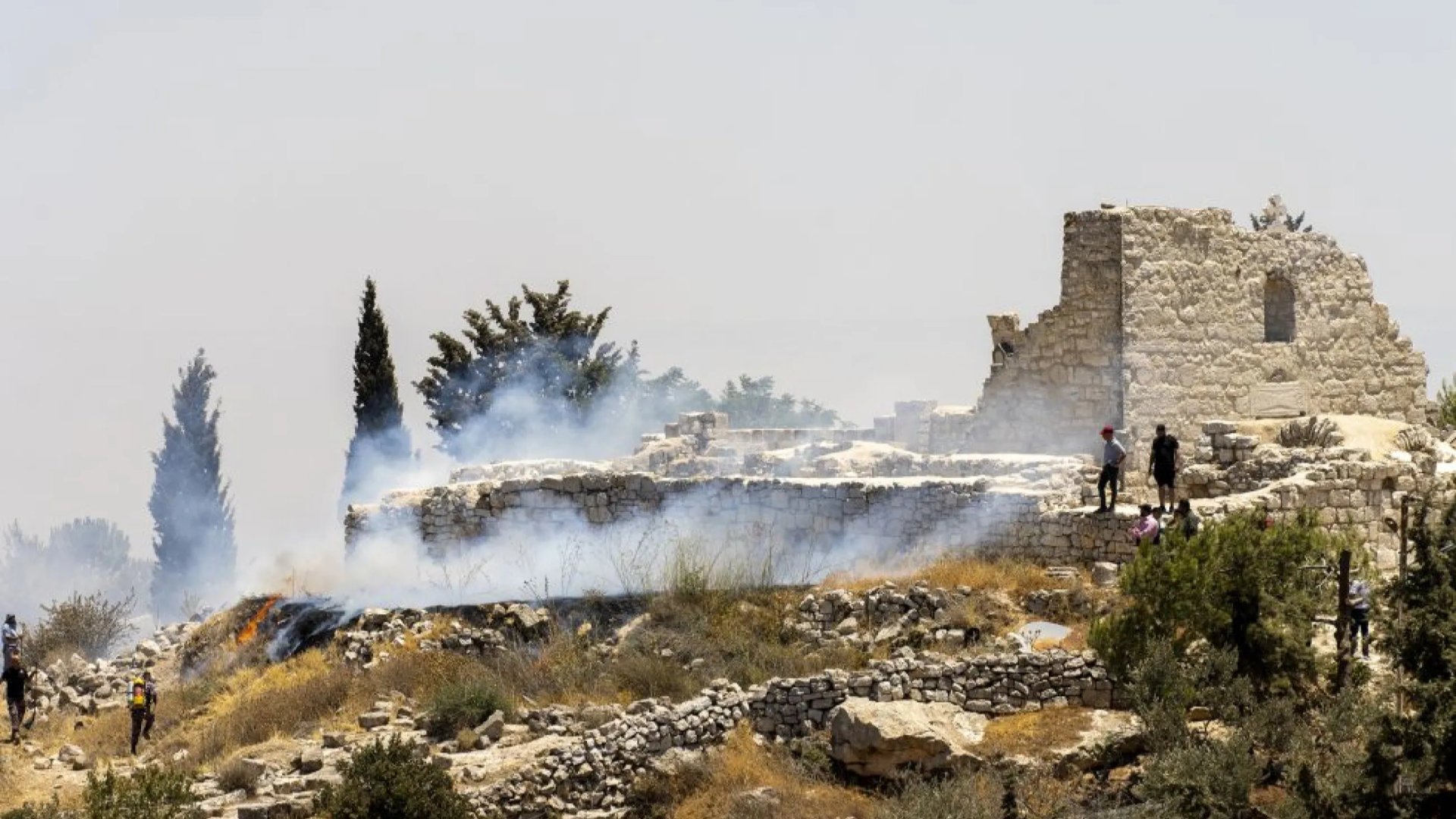
The terror of Beit Sahour’s Christians is well-founded. They need only look north to Taybeh, a fully Christian village 10 miles from Jerusalem, to comprehend what awaits. Referred to in John’s Gospel as ‘Ephraim’, Taybeh is regularly attacked by settlers intent on driving Christians from their homes. The ancient Church of St. George, 1,600 years old, was set on fire by settlers last July. Farmers’ fields are being taken. One young family slept as their car was set ablaze in the dead of night forcing them to flee their home for fear of suffocation, only to be assaulted on the street outside.
Afraid for their lives, Christian families are leaving Taybeh:
‘We are a peaceful people. We don’t have weapons. We don’t cause trouble. But they want to frighten us. They want us to leave the land of Jesus,’ mourns Fr. Bashar Fawadleh, a local priest.
Taybeh is the village where Jesus retreated before His Passion, knowing he was unsafe after raising Lazarus from the dead:
“Therefore Jesus no longer moved about publicly among the people of Judea. Instead he withdrew to a region near the wilderness, to a village called Ephraim, where he stayed with his disciples.”
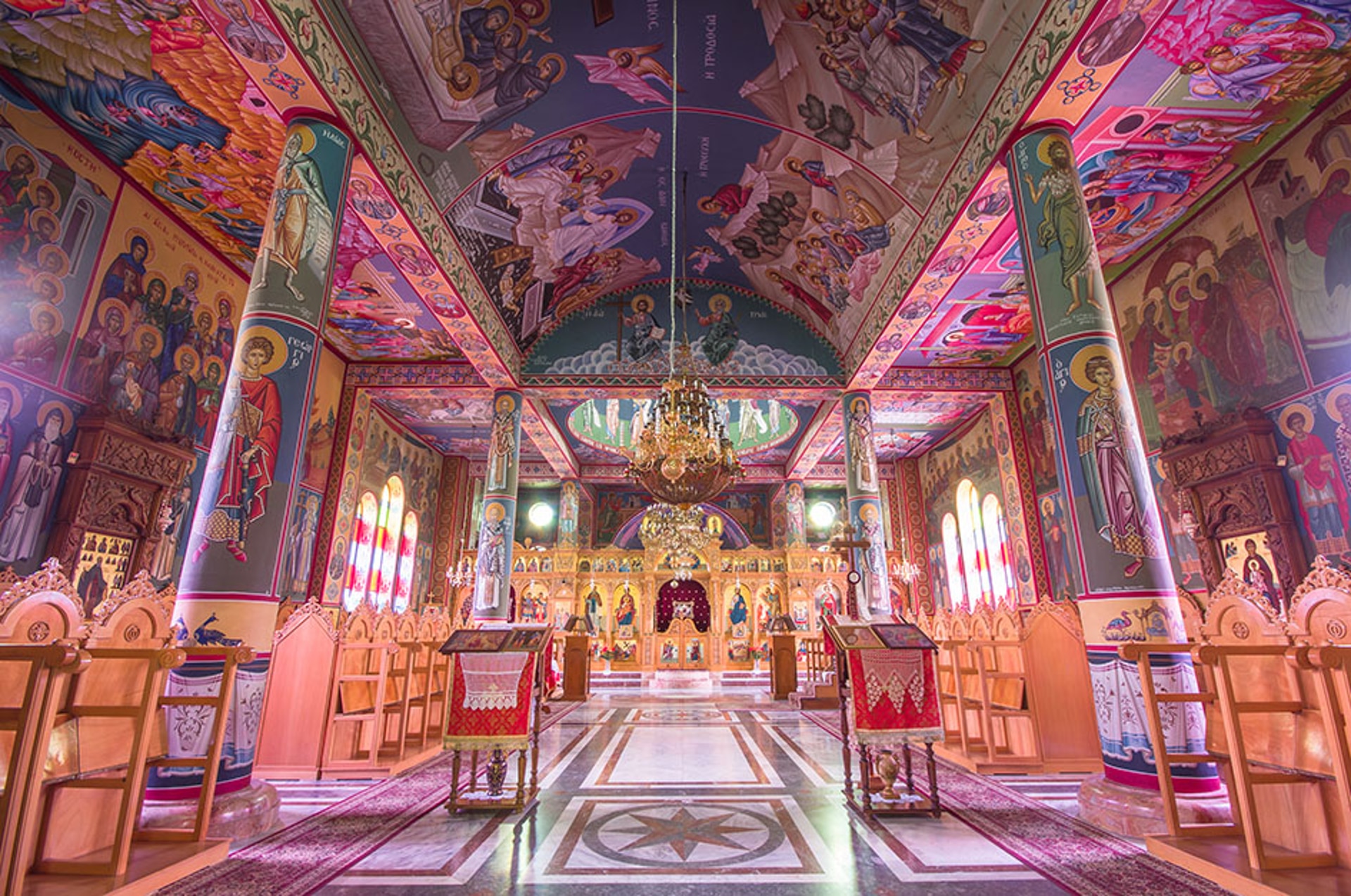
Christians in the Holy Land once made up 11% of the population. They now number less than 1.2%. Despite this, Christians play a leading role in society and the economy, including running 93 schools, 77 cultural centres and 38 Youth and Scout centres. Christian hospitals and clinics treat over a quarter of a million patients annually. Although only a small minority, Christians play a disproportionate role in providing services to the wider community.
The flight of Christians from the Holy Land is a devastating loss for the local population. Moreover, it heralds the end of an uninterrupted Christian presence in the Holy Land since the birth of Jesus Christ. When churches stand empty, their priesthood and ancient rites abandoned, when Holy Places become museums instead of living stones that connect present-day worshippers to the very locus and spirit of Jesus Christ, what will happen to the Christians of the world? Where will they anchor their faith?
Watch our Film
Stream our short film The Last Christians on YouTube